


Networking and Exchange of Experiences at the Volunteering Review Conference
On March 27, 2026, representing Volunteer Art Programs (VAP), we attended the Önkéntes Szemle (Volunteering Review) Conference, hosted by the Empathy Community Space in Budapest. The conference took place in a particularly timely context, providing an opportunity for celebration, reflection, and future outlook.
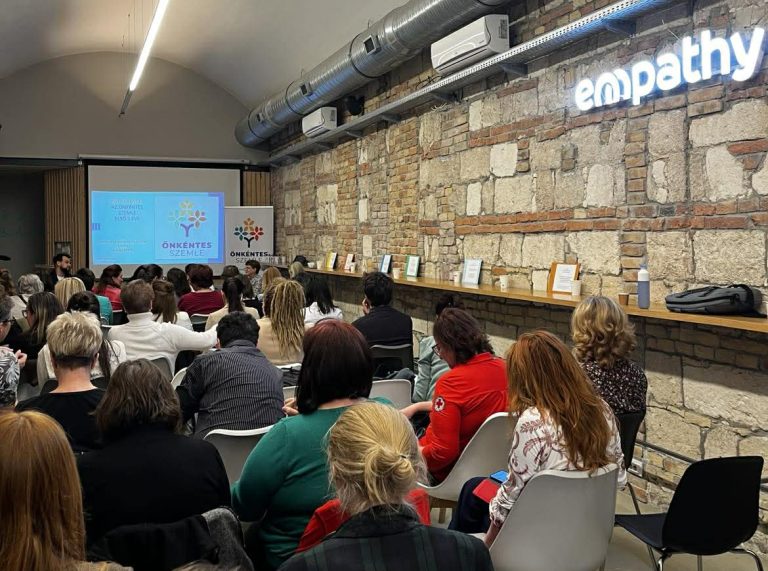
2026 is a special year in the history of the Önkéntes Szemle (Volunteering Review). The first issue of the online journal was published on March 28, 2021, meaning five years have passed since its launch. 2026 is also a significant year on the international stage, as the UN has declared it the International Year of Volunteers for Sustainable Development.
Past, Present and Future
Following the opening remarks by Dr. Anna Mária Bartal, editor-in-chief of Önkéntes Szemle, the morning session focused on the “big picture.” Presentations covered the past 25 years of volunteering in Hungary and the achievements of Önkéntes Szemle over its five years of operation.
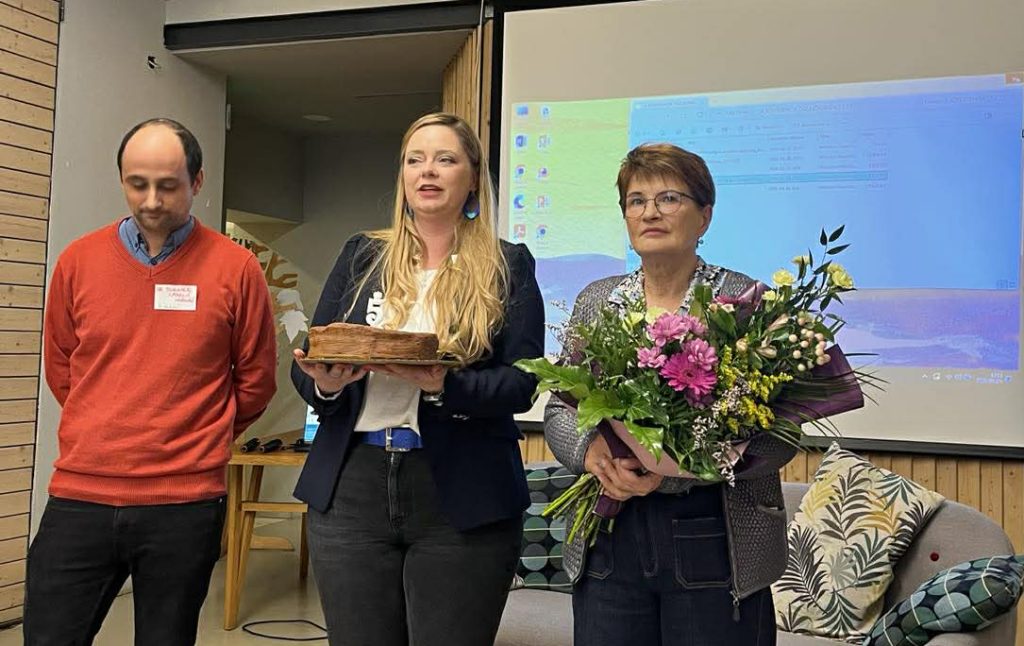
This was followed by reports on the programs for the International Volunteer Year 2026 and the 2030 European Agenda of Volunteering. The presentations were followed by a roundtable discussion and additional thematic presentations. Key topics included the situation, achievements, and challenges of the civil-nonprofit and volunteer sectors; the results of research examining indicators of Hungarian volunteer well-being; and generational issues in volunteering.
Connection, Dialogue and Practice
In the afternoon, the conference continued in an interactive format, organized into breakout sessions under the theme of “exchange of experiences.” In small-group discussions, participants were able to share their own experiences and questions, with the assistance of session leaders and invited speakers, and reflect together on their challenges.
The topics of the sessions were as follows:
- What Can We Gain from the One-Armed Bandit? – Methods, effectiveness, and challenges of recruiting and selecting volunteers.
- The 100-Armed Shiva – Methods, results, and challenges of motivating, retaining, recognizing, and rewarding volunteers.
- Does it all come down to this? - Methods, effectiveness, and challenges of volunteer organization/coordination; the coordinator’s “style.”
- Inclusive Volunteering - or “from beneficiary to volunteer” - Methods, results, and challenges.
- Is a volunteer free labor? - The costs of becoming a volunteer, the impact of volunteering, and how to measure it.
- Organization + development = organizational development? – Methods, results, and challenges of developing civil and nonprofit organizations that (also) employ volunteers.
We found the open, partnership-driven atmosphere particularly valuable, as it fostered genuine professional dialogue.
What do we take away from this?
For us, the key takeaway was that professional collaboration and collective thinking are essential for the future of volunteering. The event also highlighted that in-person professional meetings provide more than just opportunities for knowledge sharing and inspiration, they are vital for fostering networking and building relationships among stakeholders within the sector.
Thank you to the organizers for the informative and inspiring event. It was great to be a part of it!
We will also incorporate the experiences, best practices, and networking opportunities gained at the conference to the activities of the Volunteer Art Programs organized by ArtNESZ. Stay tuned for our events!
Read the detailed report on the Volunteering Review Conference HERE.
Author: Szilvia Havasi–Köhler


